A dog in Starr County has tested positive for New World screwworm, marking a new concern for Rio Grande Valley pet owners as federal and state officials respond to infestations across the Southwest.
The dog was among two new Starr County cases reported in early November. State animal health officials confirmed the dog case Monday, Nov. 2, followed by a case involving cattle Wednesday, Nov. 4.
KRGV reported Nov. 6 that Rio Grande City animal control officials were urging residents to inspect their pets and report suspicious wounds.
The detections follow an earlier Starr County case involving a calf in July.
Although the confirmed cases are in Starr County, animal health officials are urging vigilance throughout South Texas, including communities farther east in the Rio Grande Valley.
What pet owners should watch for
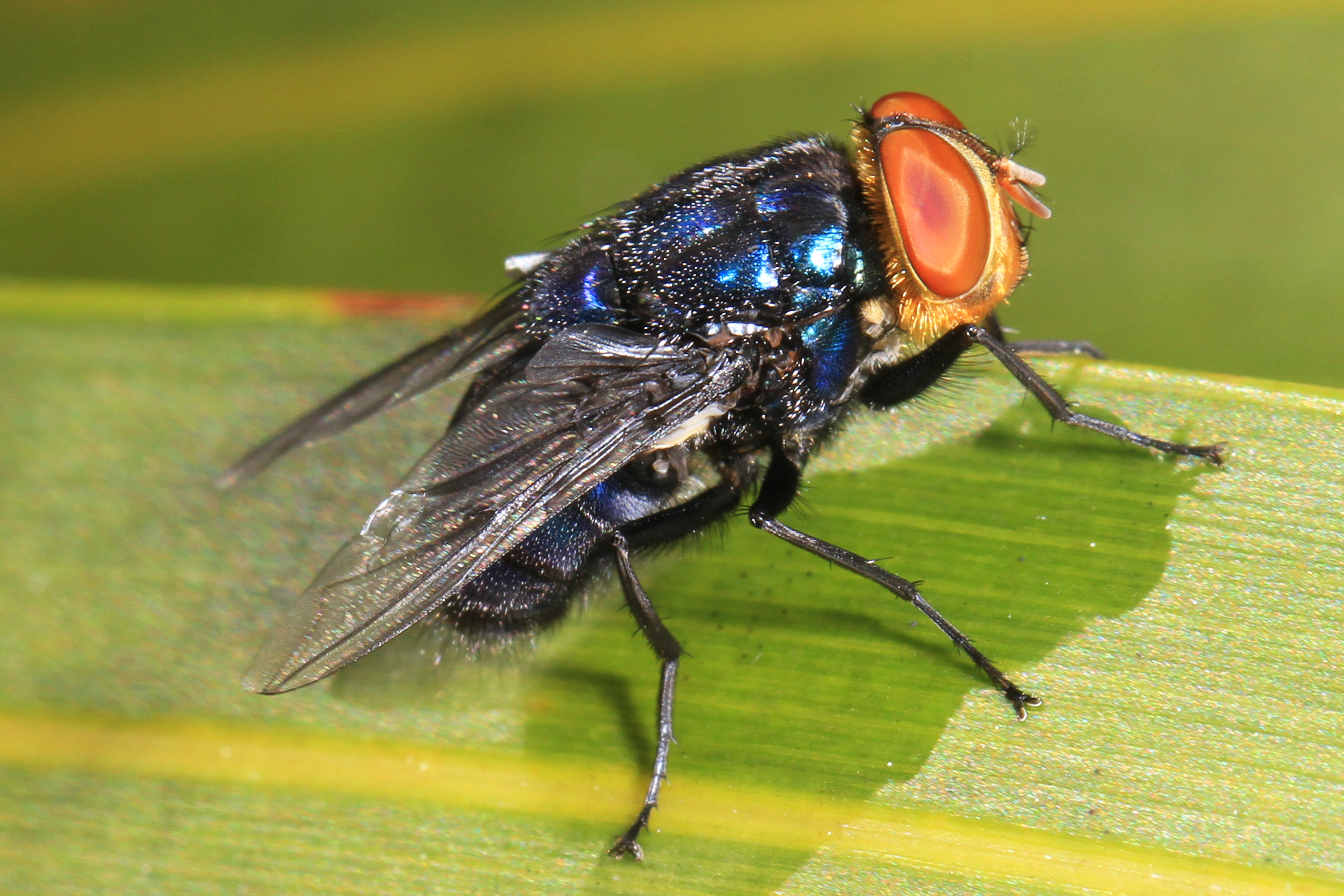
New World screwworm is a parasitic fly whose larvae feed on living tissue. Infestations can begin when flies lay eggs in wounds or around body openings on warm-blooded animals.
The larvae can cause severe tissue damage, and untreated infestations may be fatal.
According to the U.S. Food and Drug Administration, New World screwworm can infest livestock, pets, wildlife and, in rare cases, humans.
Pet owners should watch for:
- Wounds that are worsening or failing to heal.
- Visible larvae or maggots in wounds.
- Unusual or foul odors from wounds or body openings.
- Excessive licking, biting or scratching around an affected area.
- Signs of discomfort or unusual behavior.
Even small wounds can attract screwworm flies. Infestations can also occur near the eyes, ears, nose and mouth.
The FDA advises owners to seek immediate veterinary care for dogs or cats suspected of being infested.
Movement restrictions remain in effect
The Texas Animal Health Commission lists Starr County among areas with active New World screwworm movement restrictions.
Under the state's current orders, warm-blooded animals within designated infested zones cannot be moved outside those zones without prior authorization.
Animal owners must arrange the required inspections and documentation before moving animals out of an affected zone.
The commission maintains an online map showing infested and surveillance areas, which may change as new cases are identified or restrictions are adjusted.
The USDA also maintains a national dashboard of confirmed detections showing animal cases by county, species, confirmation date and status.
A case classified as inactive does not necessarily mean movement restrictions in that area have ended.
Treatment options for pets
The FDA has issued emergency authorizations for several medications intended to prevent or treat New World screwworm infestations in animals.
On Sept. 3, the agency expanded its emergency authorization for Capstar and generic nitenpyram tablets to cover both prevention and treatment in dogs and cats meeting minimum weight and age requirements.
The products are available over the counter for eligible animals weighing at least two pounds and at least four weeks old.
However, the FDA advises owners to seek immediate veterinary care when an infestation is suspected. Medication does not replace veterinary examination, wound care or required reporting.
The emergency authorizations also differ from full FDA approval of a drug specifically for screwworm use.
UTRGV receives research funding
The University of Texas Rio Grande Valley is developing new methods to detect screwworm infestations with support from a $2.2 million U.S. Department of Agriculture award.
The university announced the research funding Nov. 2.
The two-year project will explore drone technology, thermal imaging and machine learning to help locate animals with possible infestations and identify areas where screwworm flies may survive.
Researchers will also examine the potential for drones to release sterile flies and deliver animal treatments.
The project is led by Sarah Mays Maestas, an assistant professor in UTRGV's School of Integrative Biological and Chemical Sciences, with other university researchers.
UTRGV officials said the work is intended to strengthen surveillance and help protect South Texas livestock, wildlife and agricultural producers.
How to report a suspected case
Pet owners and livestock producers who suspect New World screwworm should contact a veterinarian and report the possible infestation to the Texas Animal Health Commission.
The commission's reporting number is 1-800-550-8242.
Animal owners should not move an animal suspected of infestation from its location without guidance from animal health officials.
Suspected wildlife infestations can be reported to the Texas Parks and Wildlife Department at 512-389-4505.
Early detection, veterinary treatment and reporting are important steps in limiting the spread of the parasite.